
What Are The Benefits of Aeration & Overseeding?
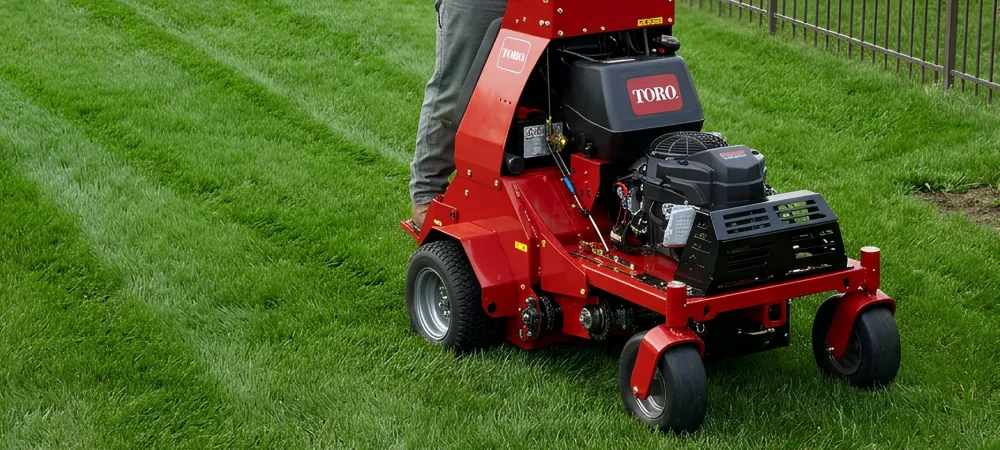
A lot of lawn care is reactive. You spot a problem and treat it. Aeration and overseeding are different. They are proactive investments that address the root causes of the most common lawn problems before they get out of hand. For Omaha homeowners dealing with clay soil, summer heat, and dry stretches, these two services deliver some of the most meaningful and lasting improvements you can make to your lawn. Here is what you actually get out of them.
What Does Aeration Do for Your Lawn's Soil Health?
Aeration directly improves the health of your soil by relieving compaction, which is the single biggest barrier to a thriving lawn in the Omaha area. When soil is compacted, the dense structure prevents grass roots from growing deeply, blocks water from absorbing properly, and keeps oxygen and nutrients from reaching the root zone. Aeration removes that barrier by pulling small cores of soil out of the ground, opening up channels that restore the soil's natural ability to support healthy grass growth.
How Does Aeration Fix the Compaction Problem in Omaha's Clay Soils?
Omaha's clay-heavy soils are especially prone to compaction because clay particles are small and dense, packing tightly together under foot traffic, mowing, and rainfall over time. Core aeration physically removes plugs of that compacted soil, immediately creating space for roots to expand and for air, water, and nutrients to move freely through the ground. The improvement is not just cosmetic. Over successive years of annual aeration, soil structure gradually improves, making compaction less severe and your lawn more resilient season after season.
Does Aeration Make Water and Fertilizer More Effective?
Yes, significantly. On a compacted lawn, irrigation and rainfall run off the surface rather than soaking in, and fertilizer applied to the top has limited ability to travel through the dense soil to reach the roots. After aeration, the channels left by the tines allow the essentials to move directly into the root zone, including:
- Water, which absorbs into the soil instead of pooling or running off
- Oxygen, which roots need to grow and stay healthy
- Fertilizer, which reaches the roots instead of washing away
Homeowners who aerate consistently often find they need less water to maintain the same level of lawn health, and they get more visible results from every fertilizer application.
Key Takeaway: Aeration relieves soil compaction and dramatically improves how effectively water, oxygen, and fertilizer reach your grass roots, making every other lawn care investment work harder.
What Are the Benefits of Overseeding?
Overseeding makes your lawn thicker, more resilient, and better equipped to handle the stresses of the growing season. Grass plants age, weaken, and thin over time, and overseeding is how you counteract that natural decline by continuously introducing newer, stronger grass into your existing turf without tearing anything up.
Does Overseeding Make Your Lawn More Resistant to Weeds?
Overseeding is one of the most effective long-term weed control strategies available. Weeds need open soil and sunlight to germinate. A thin, patchy lawn gives them exactly that. When you overseed consistently, the turf fills in those bare and thin spots with desirable grass plants, leaving less opportunity for weeds to establish. A dense lawn essentially outcompetes weeds before they become a problem, which means less reliance on herbicide treatments over time.
Can Overseeding Introduce Better, More Disease-Resistant Grass?
Newer grass seed varieties are meaningfully better than the varieties commonly planted in lawns from even ten or fifteen years ago. They offer improved drought tolerance, better disease resistance, and stronger overall performance in Nebraska's climate. When you overseed, you are not just filling in bare patches; you are gradually upgrading the genetic quality of your turf. According to UNL Extension, selecting adapted cultivars for eastern Nebraska is one of the most important factors in long-term lawn performance.
Key Takeaway: Overseeding thickens your turf to naturally suppress weeds and introduces improved grass varieties that perform better under heat, drought, and disease pressure.
Why Are the Benefits Greater When Aeration and Overseeding Are Done Together?
The benefits of aeration and overseeding multiply when the two services are combined, because aeration creates the ideal seedbed for overseeding to succeed. Seed germination depends heavily on seed-to-soil contact. When seed is broadcast over an unaerated lawn, much of it lands on thatch or hard soil where it cannot establish a connection with the ground. The open channels left by aeration allow seed to fall directly into the soil, resulting in significantly higher germination rates and stronger seedling establishment. Doing them together also means a single service visit accomplishes what would otherwise require two separate trips, and both services benefit from the same optimal timing window in late summer and early fall.
Key Takeaway: Aeration creates direct seed-to-soil contact that dramatically improves germination rates, making overseeding far more effective when the two services are paired.
Does Aeration and Overseeding Improve Drought Resistance?
Aeration and overseeding together produce a lawn that handles drought conditions noticeably better than an untreated lawn. Aeration allows grass roots to grow deeper into the soil profile rather than spreading laterally near the surface. Deeper roots can access moisture stored further underground, so your lawn stays greener and more stable during dry spells without requiring as much supplemental watering. Overseeding compounds this benefit by introducing newer tall fescue and Kentucky bluegrass cultivars with improved drought tolerance. The UNL Extension Cool Season Lawn Calendar for Eastern Nebraska reinforces that fall is the ideal time to establish these varieties so they are ready to handle the following summer's heat.
Key Takeaway: Deeper roots from aeration and more drought-tolerant grass varieties from overseeding combine to produce a lawn that handles Omaha's dry summers with less stress and less water.
Can Aeration Reduce Thatch and Lawn Disease?
Aeration is one of the most effective ways to manage thatch without harsh chemical treatments. Thatch is the layer of dead and living organic matter that accumulates between the soil surface and the green blades of grass. A thin layer is normal, but when thatch exceeds about half an inch, it blocks water and nutrients from reaching the soil and creates a humid environment where fungal disease and lawn pests thrive. When aeration cores break down on the surface, they reintroduce soil microorganisms that actively decompose the thatch layer. Over time, annual aeration keeps thatch at a manageable level and reduces the conditions that invite disease.
Key Takeaway: Aeration controls thatch buildup naturally by reintroducing decomposing microorganisms to the surface, reducing the conditions that lead to fungal disease and pest problems.
What Long-Term Benefits Can You Expect From Annual Aeration and Overseeding?
The benefits of aeration and overseeding are not a one-time event; they build on each other year after year. A lawn that is aerated and overseeded consistently develops better soil structure, a deeper root system, and denser turf that requires progressively less intervention to maintain. Homeowners who commit to annual service typically see:
- Better tolerance of heat, drought, and heavy foot traffic
- A steady reduction in the amount of weed control needed
- A visibly thicker and more even lawn over a three to five year period
- Improved soil structure that makes each subsequent aeration more effective
- Less need for costly lawn renovation work down the road
The cost of skipping these services compounds in the opposite direction, showing up as thin turf, weed encroachment, and a lawn that struggles to recover from seasonal stress.
Key Takeaway: Annual aeration and overseeding deliver compounding improvements to soil health, turf density, and drought resilience that become more pronounced with each successive year.
How Can Heartland Lawns Help With Aeration and Overseeding?
Here at Heartland Lawns, we have been providing professional aeration and overseeding to Omaha homeowners since 1990, and it is one of the services we hear the most positive feedback about. We use commercial-grade core aeration equipment and premium grass seed blends selected for Nebraska's climate and soil conditions. Our technicians assess your lawn individually and time both services to the optimal window for your grass type. We were even named the Best of Omaha 2025 first-place winner in lawn care!
Contact us today for a free estimate and let our team put together an aeration and overseeding plan for your yard.