
Common Sprinkler System Issues & What Causes Them
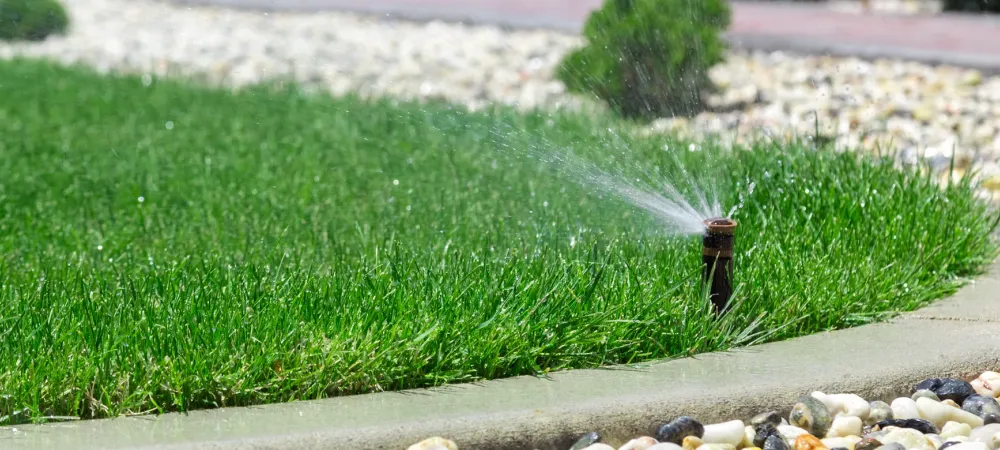
A healthy lawn depends on a healthy sprinkler system, and in Nebraska, irrigation systems take a real beating. Between hard winter freezes, dense clay soil, and the wear that comes with years of use, most systems develop problems over time. The good news is that the vast majority of sprinkler issues fall into a handful of common categories, and knowing what to look for helps you catch problems early before they waste water, run up your bill, or leave your lawn patchy and stressed. This guide walks through the most common sprinkler system problems homeowners face and what causes them.
Why Do Sprinkler Systems Need Repairs So Often?
Sprinkler systems need frequent repairs because of the specific combination of climate and soil conditions in our region. Nebraska winters bring hard, repeated freezes, and any water left in the lines can freeze, expand, and crack pipes, valves, and backflow devices. The area's dense clay soil shifts with freeze-thaw cycles and puts pressure on buried components. On top of that, everyday wear from lawn mowers, foot traffic, sun exposure, and mineral buildup gradually takes a toll on heads and nozzles. A few factors that make Nebraska especially hard on irrigation systems:
- Repeated winter freeze-thaw cycles that crack pipes and fittings
- Heavy clay soil that shifts and stresses buried lines
- Mineral content in the water that clogs nozzles over time
- Mower and traffic damage to heads at ground level
- General age, since components naturally wear out after years of use
Key Takeaway: Nebraska's freezing winters, clay soil, and everyday wear make sprinkler repairs a normal part of system ownership, which is why regular inspection matters.
What Are the Most Common Sprinkler System Problems?
Most sprinkler problems fall into a small set of recurring issues, and recognizing them is the first step toward getting them fixed. While the symptoms can look different from one lawn to the next, the underlying causes tend to repeat. Below are the problems Nebraska homeowners run into most often.
What Causes Broken or Damaged Sprinkler Heads?
Broken sprinkler heads are the single most common irrigation problem, and they usually come from physical damage or freeze damage. Lawn mowers, vehicles, and foot traffic crack or snap heads that sit at ground level, while water left in a head over winter can freeze and split the housing. A damaged head often shows up as water gushing or bubbling from one spot, a head that no longer pops up, or a fan of water spraying in the wrong direction. Replacing a head is usually straightforward, but matching the correct type, spray pattern, and flow rate matters for even coverage.
What Causes Leaking Valves and Pipes?
Leaks typically come from cracked pipes, worn valve components, or loose fittings, and they are one of the most wasteful problems because they often go unseen underground. A leaking valve may cause a zone to weep water even when the system is off, while a cracked underground pipe can create soggy areas, unusually green patches, or low pressure downstream. Freeze damage is a frequent cause in Nebraska, since water expands as it freezes and splits whatever is holding it.
What Causes Low Water Pressure?
Low water pressure usually points to a leak, a partially closed valve, a clog, or a problem with the backflow device. When pressure drops, heads may not pop up fully, spray distance shrinks, and coverage suffers. Because several different issues can cause low pressure, diagnosing it often means checking the system zone by zone to isolate where the pressure is being lost.
What Causes Uneven Coverage and Dry Spots?
Uneven coverage comes from misaligned heads, clogged nozzles, mismatched components, or spacing that no longer matches the lawn. The result is the familiar pattern of lush areas next to dry, browning patches. According to Nebraska Extension, a tell-tale sign of a malfunctioning head is a dark green circle of faster-growing grass right around it, which signals that water is concentrating in one spot instead of distributing evenly.
What Causes Clogged Nozzles?
Clogged nozzles are caused by dirt, sand, grass clippings, and mineral deposits that accumulate in the small openings of the spray head. A clogged nozzle produces a weak, uneven, or completely blocked spray, leaving the area it serves under-watered. This is one of the more common and easily corrected problems, though it tends to recur in areas with higher mineral content in the water.
What Causes Controller and Wiring Problems?
Controller and wiring issues stem from power problems, failed solenoids, damaged wires, or programming errors in the timer. When the controller is the culprit, you might see zones that will not activate, zones that run at the wrong times, or a system that does not turn on at all. Because these problems are electrical rather than mechanical, they can be harder to diagnose without the right tools and knowledge.
Key Takeaway: Most sprinkler problems come down to broken heads, leaks, low pressure, uneven coverage, clogged nozzles, or controller faults, and identifying which one you have points you toward the fix.
How Can You Tell If Your Sprinkler System Needs Repair?
You can spot most sprinkler problems by watching how the system runs and how your lawn responds. Running each zone manually and walking the yard while it operates is the single best way to catch issues early. Watch for these warning signs:
- Heads that do not pop up or fail to retract when the zone shuts off
- Water pooling, bubbling, or spraying from one spot
- Dry or browning patches next to healthy green areas
- A noticeable drop in spray distance or pressure
- Dark green rings of fast-growing grass around individual heads
- Soggy areas or unexplained green patches when the system is off
- A water bill that climbs without a clear explanation
Catching these signs early keeps a small repair from turning into a larger one and prevents weeks of wasted water or lawn stress.
Key Takeaway: Running each zone and watching the lawn while it operates lets you catch most sprinkler problems early, before they waste water or damage your turf.
Why Does a Sprinkler Problem Send My Water Bill Up?
A sudden jump in your water bill is often the first and clearest sign of a hidden sprinkler leak. A cracked underground pipe or a valve that fails to fully close can leak continuously, sometimes without any visible sign at the surface. Because irrigation uses a large volume of water, even a small persistent leak adds up quickly on a monthly bill. Sprinkler systems can also simply apply far more water than a lawn actually needs. Measuring your system's output is an easy way to check, and UNL Extension recommends placing catch cans around the lawn while the system runs to see how much water it actually delivers, then adjusting accordingly to save both water and money.
Key Takeaway: An unexplained spike in your water bill usually signals a hidden leak or an over-applying system, and measuring output helps confirm the problem.
Should You Repair a Sprinkler System Yourself or Hire a Professional?
Some sprinkler repairs are well within reach for a handy homeowner, while others are best left to a professional. The right call depends on the type of problem and your comfort with irrigation components. Simple tasks like clearing a clogged nozzle, straightening a tilted head, or adjusting a spray pattern are reasonable to handle yourself. More involved problems are usually worth a professional's time and tools.
What Repairs Can Homeowners Usually Handle?
Homeowners can typically manage the smaller, surface-level fixes that do not require digging or electrical work:
- Cleaning or replacing a clogged nozzle
- Straightening or realigning a tilted head
- Adjusting spray direction and distance
- Replacing a simple, matching sprinkler head
When Should You Call a Professional?
A professional is the better choice when the problem is buried, electrical, or affects the whole system. These repairs require specialized diagnosis and equipment to do correctly:
- Underground pipe or mainline leaks
- Faulty valves or solenoids
- Controller and wiring problems
- Persistent low pressure across multiple zones
- Backflow device repair or testing
Key Takeaway: Minor surface fixes like cleaning nozzles or adjusting heads are fine for homeowners, but buried, electrical, or system-wide problems call for a professional.
How Does Backflow Prevention Factor Into Sprinkler Repair?
Backflow prevention is a critical and often overlooked part of sprinkler system health, and the backflow device is one of the components most vulnerable to freeze damage in Nebraska. A backflow preventer stops contaminated water from your irrigation system from flowing backward into your home's drinking water supply, which is why it is so important to keep it functioning correctly. Because the device sits above ground and holds water, it is especially prone to cracking during hard winter freezes if the system is not properly winterized. Many municipalities also require periodic backflow testing to ensure the device is protecting the potable water supply. If your backflow preventer is leaking, cracked, or failing a test, it needs prompt attention from a qualified technician.
Key Takeaway: The backflow preventer protects your drinking water and is highly vulnerable to freeze damage, so keeping it tested and in good repair is an essential part of sprinkler maintenance.
How Can Heartland Lawns Help With Sprinkler System Repair?
Here at Heartland Lawns, we have been keeping Nebraska irrigation systems running since 1990, and sprinkler repair and maintenance are a core part of the services we offer. Our team diagnoses and repairs everything from broken heads and hidden leaks to valve, controller, and backflow issues, and we handle backflow testing to keep your system compliant and your water supply protected. We are proud to carry BBB accreditation and were named the Best of Omaha 2025 first-place winner in lawn care, and everything we do is grounded in the values we call HEART: hard work, excellence, action, respect, and trust. When you work with our trained technicians, you get an irrigation system that waters your lawn efficiently and reliably all season long.
Contact us today for a free estimate and let our team get your sprinkler system back in working order.