
Mosquito Control in Nebraska: How to Take Back Your Yard
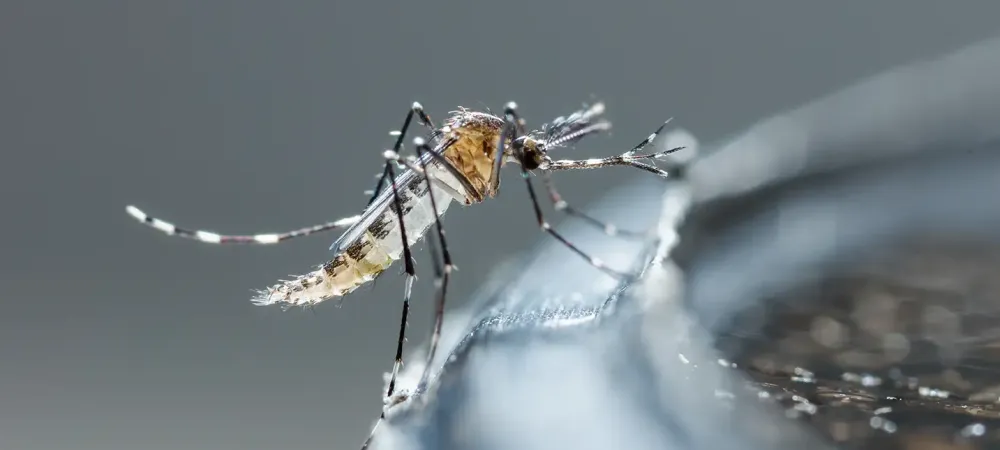
Few things ruin a summer evening outside faster than mosquitoes. In Nebraska, hot and humid summers paired with seasonal rain create ideal breeding conditions, and the result is yards that go from comfortable to unusable in a matter of weeks. Beyond the itch and annoyance, mosquitoes carry real health risks. The good news is that a combination of smart yard habits and the right treatment can dramatically cut down the mosquito population around your home. This guide covers how.
Why Is Mosquito Control Important in Nebraska?
Mosquito control matters because mosquitoes are both a serious nuisance and a genuine health risk in Nebraska. Our hot, humid summers and frequent rain create perfect breeding conditions, and the mosquitoes that result do more than interrupt backyard cookouts. They can transmit diseases like West Nile virus, which is present across the state every year. Controlling mosquitoes is really about two goals at once: making your outdoor space usable again and reducing your family's exposure to the diseases mosquitoes can carry.
Key Takeaway: Mosquito control in Nebraska protects both your comfort and your health, since our warm, wet summers fuel large populations that can carry disease.
Where Do Mosquitoes Breed Around Your Home?
Mosquitoes breed in standing water, and it takes a shockingly small amount to do it. A mosquito can complete its entire life cycle in as little as seven to ten days in any container that holds water for a few days, which means the breeding grounds are often hiding in plain sight around your yard. Common culprits include:
- Clogged gutters and downspouts
- Birdbaths, planters, and plant saucers
- Old tires, buckets, and watering cans
- Kiddie pools, toys, and tarps that collect rainwater
- Low spots in the yard that pool after rain or irrigation
Even if your own yard is spotless, adult mosquitoes can fly in from up to two miles away, which is why control works best when it combines eliminating your own breeding sites with treatment that addresses the mosquitoes coming from elsewhere.
Key Takeaway: Mosquitoes breed in even tiny amounts of standing water around your home, so finding and emptying those hidden water sources is the foundation of control.
How Can You Reduce Mosquitoes Around Your Yard?
You can significantly reduce the mosquito population by attacking the problem at its source, which means removing where they breed and where they rest. No single step eliminates mosquitoes completely, but layering several habits together makes a real difference. The work falls into three areas.
How Do You Eliminate Standing Water?
Eliminating standing water is the single most effective thing you can do, and the rule of thumb is to dump or refresh any standing water at least twice a week. Because mosquitoes need only a few days to develop, draining water on a regular schedule breaks their life cycle before they can mature. Walk your property after every rain and empty anything holding water, including saucers, toys, buckets, and tarps, and keep your gutters clean so they drain freely.
What About Water You Cannot Drain?
For water that cannot be drained, a larvicide is the most effective option. Features like rain barrels, ponds, and low drainage areas can be treated with larvicide products containing Bti, a naturally occurring bacterium that kills mosquito larvae but is considered safe for people, pets, fish, and wildlife when used as directed. According to the Nebraska Department of Health and Human Services, larvicide is the recommended approach when you cannot eliminate a water source entirely.
How Does Yard Maintenance Help?
Yard maintenance reduces the shady, humid spots where adult mosquitoes rest during the day. Mosquitoes hide in tall grass, dense shrubs, and overgrown vegetation when the sun is high, so keeping the lawn mowed and trimming back overgrowth removes their daytime shelter. A well-maintained yard with good drainage gives mosquitoes far fewer places to breed and hide.
Key Takeaway: Reducing mosquitoes comes down to dumping standing water twice a week, treating water you cannot drain with larvicide, and trimming the overgrowth where adults rest.
How Can You Protect Yourself From Mosquito Bites?
You can protect yourself from bites with a combination of repellent, clothing, and timing. While reducing the population lowers your overall risk, personal protection matters whenever you are outdoors during mosquito season. A few effective habits:
- Apply an EPA-registered repellent such as one containing DEET, picaridin, IR3535, or oil of lemon eucalyptus
- Wear long sleeves and long pants when practical, especially around dawn and dusk
- Limit time outdoors during peak mosquito hours at dawn and dusk
- Repair torn window and door screens to keep mosquitoes out of the house
Combining personal protection with yard control gives you the best defense, since each one covers what the other misses.
Key Takeaway: Pair an EPA-registered repellent and protective clothing with your yard efforts, and be especially careful at dawn and dusk when mosquitoes are most active.
What Diseases Do Mosquitoes Carry in Nebraska?
The main mosquito-borne disease concern in Nebraska is West Nile virus, though it is not the only one. According to UNL Extension, Culex tarsalis is the most important carrier of West Nile virus in the state, and mosquitoes here can also transmit St. Louis encephalitis, Western equine encephalitis, and Jamestown Canyon virus. Most people infected with West Nile virus show no symptoms at all, but a small percentage develop serious illness, with the highest risk falling on older adults and people with underlying health conditions. Mosquitoes can also transmit heartworm to dogs, which is why prevention matters for pets too.
Key Takeaway: West Nile virus is the primary mosquito-borne disease risk in Nebraska, and while most infections are mild, the danger to older and vulnerable people makes control worthwhile.
Is Professional Mosquito Control Worth It?
Professional mosquito control is often worth it because it addresses the resting adult mosquitoes that yard cleanup alone cannot reach. A professional barrier treatment targets the shrubs, dense foliage, and shaded areas where adult mosquitoes rest during the day, knocking down the existing population and providing ongoing protection that is reapplied through the season. Because mosquitoes can fly in from neighboring properties, a recurring treatment is far more effective than a one-time effort, and it frees you from constantly chasing breeding sites on your own. For families who want to actually use their yard through the summer, professional treatment combined with good habits delivers the most reliable results.
Key Takeaway: Professional barrier treatments reach the resting adults that cleanup cannot, and ongoing applications handle the mosquitoes that fly in from elsewhere.
How Can Heartland Lawns Help You Control Mosquitoes?
Here at Heartland Lawns, we have been helping Nebraska families take back their yards from mosquitoes since 1990. Our mosquito control service combines barrier treatments that target where adult mosquitoes rest with guidance on reducing the breeding sites around your property, all timed to Nebraska's mosquito season for maximum effect. We handle the recurring applications so you do not have to think about it, letting you actually enjoy your outdoor space all summer. We are proud to carry BBB accreditation and were named the Best of Omaha 2025 first-place winner in lawn care, and everything we do is grounded in the values we call HEART: hard work, excellence, action, respect, and trust.
Contact us today for a free estimate and let our team help you reclaim your yard this season.