
Why is Tree & Shrub Care Essential in the Spring?
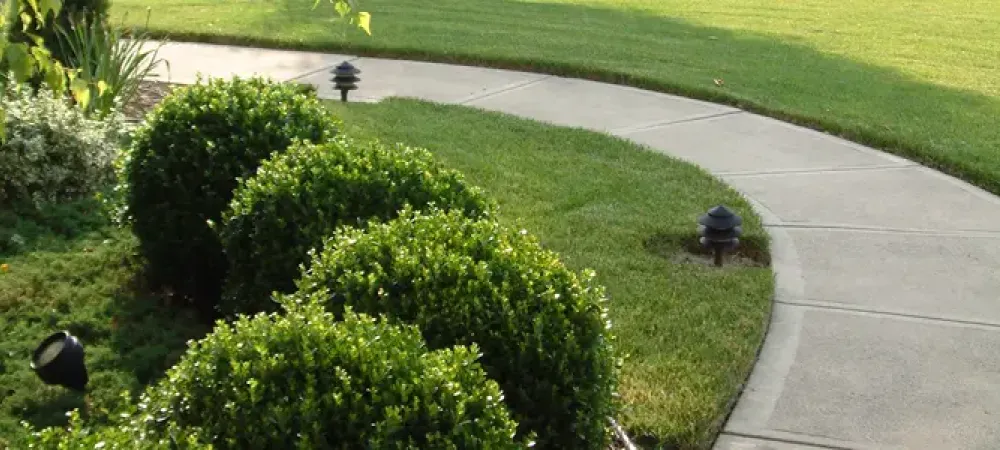
When the snow melts and temperatures start to climb, your trees and shrubs wake up from dormancy and enter their most important growth period of the year. What you do in those early spring weeks sets the tone for how healthy, full, and resilient your woody plants will be all season long. This guide walks through what Omaha trees and shrubs need in the spring and why each step matters.
Why Does Spring Tree and Shrub Care Matter in Nebraska?
Spring care matters because it is the window when trees and shrubs recover from winter stress and build the foundation for the entire growing season. After months of freezing temperatures, drying winds, and fluctuating winter weather, woody plants emerge weakened and need attention to bounce back. Addressing winter damage, supporting new growth, and getting ahead of pests and disease early in the season prevents small problems from becoming serious ones later. Trees and shrubs that are neglected in spring tend to struggle through summer heat and drought, becoming more vulnerable to stress with each passing month.
What Should You Do for Your Trees and Shrubs in Early Spring?
Early spring is the time to assess, clean up, and prepare your trees and shrubs before they put on their main flush of growth. The goal is to remove anything damaged, identify potential problems, and create the conditions for healthy new growth. A few foundational tasks make up most of the early spring work.
How Do You Inspect for Winter Damage?
Start by walking your property and looking closely at each tree and shrub for signs of winter stress. Omaha winters are hard on woody plants, and the damage is not always obvious at first glance. Look for the following:
- Broken, cracked, or split branches from snow and ice loads
- Branches that are brittle, discolored, or show no green when lightly scratched
- Bark splitting or sunscald on the south and southwest sides of trunks
- Salt damage near driveways, sidewalks, and streets
- Signs of animal feeding, such as chewed bark near the base
Catching these issues early lets you prune out the damage before it invites decay or disease into the plant.
When Should You Prune Trees and Shrubs in the Spring?
Timing your pruning correctly is one of the most important and most misunderstood parts of spring care, because pruning at the wrong time can remove an entire season of flowers. The general rule depends on when a plant blooms. According to Nebraska Extension, the timing breaks down like this:
- Spring-flowering shrubs such as lilac and forsythia bloom on the previous season's growth and should be pruned right after they finish blooming, not before.
- Summer-flowering shrubs such as potentilla and many spireas bloom on the current year's growth and are best pruned in late winter or early spring before growth begins.
- Deciduous and shade trees are generally best pruned in late winter to early spring before buds open, when the structure is easy to see and wounds close quickly.
- Dead, damaged, or diseased branches can and should be removed at any time of year.
Do Trees and Shrubs Need Fertilizer in the Spring?
Not always, and this surprises a lot of homeowners. Many established trees and shrubs in Omaha do not require supplemental fertilization, because most Nebraska soils are naturally fertile enough to support healthy growth, and trees surrounded by a regularly fertilized lawn often get what they need already. According to Nebraska Extension, vigorous growth is a good sign that no additional nutrients are needed. Fertilization is most valuable for plants showing signs of stress, poor growth, or a confirmed nutrient deficiency.
When Is the Best Time to Fertilize?
The ideal time to fertilize trees and shrubs is in spring, just after the plants have fully leafed out. This timing aligns with the period of maximum growth, which allows the roots to take up the most fertilizer and put it to use fueling new growth. Applying fertilizer too early or too late in the season reduces the benefit the plant actually gets from it.
What Nutrients Do Omaha Soils Typically Need?
Nebraska soils typically already have high levels of phosphorus and potassium, so adding more of those nutrients is rarely necessary and can even contribute to water quality problems through runoff. In most cases, nitrogen is the nutrient most likely to provide a benefit. The most reliable way to know what your specific soil needs is a soil test, which takes the guesswork out of fertilization and prevents applying nutrients your plants do not need.
How Does Mulching Help Trees and Shrubs?
Mulching is one of the simplest and most beneficial things you can do for your trees and shrubs in the spring. A proper layer of mulch conserves soil moisture, moderates soil temperature, suppresses weeds that compete for nutrients, and gradually improves the soil as it breaks down. For young and newly planted trees, especially, mulch makes a meaningful difference in how well they establish.
The key is doing it correctly. Apply mulch in a layer two to three inches deep, spread out in a wide ring around the base of the plant. Crucially, keep the mulch a few inches away from the trunk rather than piling it up against the bark. Mulch volcanoes, where material is mounded against the trunk, trap moisture against the bark and can lead to rot, disease, and rodent damage.
How Should You Water Trees and Shrubs in the Spring?
Spring watering should focus on deep, infrequent soaking rather than frequent shallow watering. Deep watering encourages roots to grow downward into the soil, which builds a stronger, more drought-resistant plant over time. Shallow, frequent watering does the opposite, keeping roots near the surface where they are more vulnerable to heat and drought stress later in the year. Newly planted trees and shrubs need the most attention, since their root systems are still small and cannot yet reach the moisture stored deeper in the soil. As a general approach, water established plants thoroughly when the top few inches of soil dry out, and pay closer attention to new plantings through their first few growing seasons.
What Pests and Diseases Should Nebraska Homeowners Watch For?
Spring is the ideal time to catch pest and disease problems early, before they have a chance to take hold during the growing season. Many common tree and shrub issues are far easier to manage when they are spotted in their early stages. Nebraska homeowners should keep an eye out for a few recurring problems:
- Emerald ash borer, which continues to be a serious threat to ash trees across Nebraska
- Fungal diseases that take advantage of wet spring conditions, including various leaf spots and blights
- Bagworms and other defoliating insects that emerge as temperatures warm
- Spider mites and aphids on stressed or newly leafing plants
- Fireblight on susceptible trees, which spreads more easily when pruning is done during active growth
Early detection allows for targeted, less invasive treatment and gives your plants the best chance of recovering fully.
How Can Heartland Lawns Help With Spring Tree and Shrub Care?
Here at Heartland Lawns, we have been caring for Omaha trees and shrubs since 1990, and our team brings the local knowledge needed to handle the specific challenges of Nebraska's climate and soils. We provide thorough health assessments, properly timed pruning, targeted fertilization based on what your plants actually need, and preventative treatments for the pests and diseases common to our area. We are proud to hold a high rating across nearly 800 Google reviews, carry BBB accreditation, and were named the Best of Omaha 2025 first-place winner in lawn care. When you trust your landscape to our trained specialists, you get care tailored to your property rather than a one-size-fits-all approach.
Contact us today for a free estimate and let our team build a spring care plan for your trees and shrubs.
Frequently Asked Questions
Can I do spring tree and shrub care myself or should I hire a professional?
Homeowners can handle basic tasks like mulching, watering, and light pruning of small shrubs. However, larger pruning jobs, deep root fertilization, pest and disease diagnosis, and treatment of mature trees are best left to trained professionals who have the equipment and expertise to do the work safely and correctly.
How do I know if a branch is dead or just dormant?
Lightly scratch the bark of a small branch with your fingernail or a knife. If you see green tissue underneath, the branch is alive and simply dormant. If it is brown, dry, and brittle with no green layer, the branch is likely dead and should be pruned out.
Is it too late to prune if my shrubs have already started budding?
For spring-flowering shrubs, pruning after buds have formed will remove this year's flowers, so it is better to wait until after they bloom. For summer-flowering shrubs and general shaping, light pruning early in the season is usually fine. Dead or damaged wood can always be removed regardless of timing.
Should I prune my trees in the spring or wait?
It depends on the plant. Deciduous and shade trees are best pruned in late winter to early spring before buds open, while spring-flowering shrubs like lilac and forsythia should wait until right after they finish blooming. Dead, damaged, or diseased branches can be removed at any time of year.
When should I start spring tree and shrub care
Begin as soon as the worst of winter has passed and before plants fully leaf out, typically in late winter to early spring. This is the ideal window for inspecting winter damage, pruning dormant trees and summer-flowering shrubs, and planning the rest of your season before the main flush of growth begins.