
2026 Summer Lawn Care Guide for Nebraska
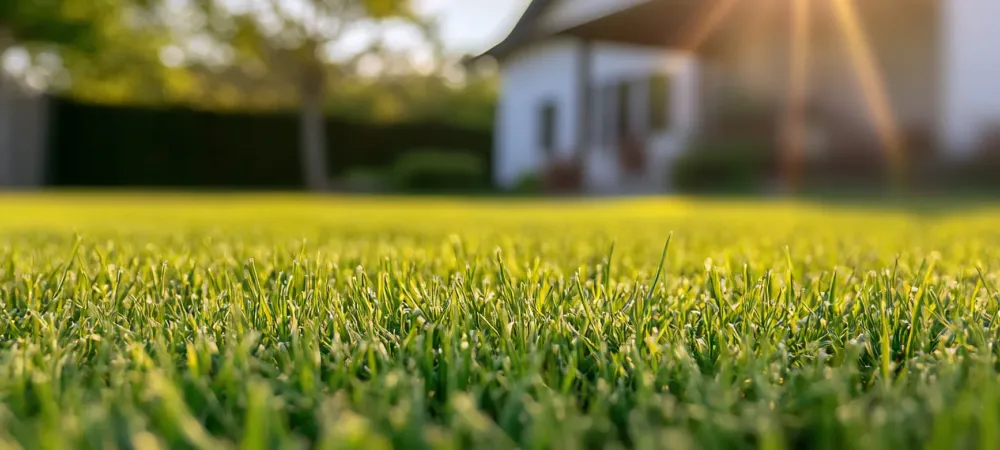
Summer is when Omaha lawns face their toughest test. The same cool-season grasses that thrive in spring and fall have to survive weeks of high heat, intense sun, and dry stretches that can turn a healthy lawn brown in a matter of days. The good news is that with the right approach to watering, mowing, and pest management, you can keep your lawn green and resilient all season long. Here is how.
Why is Summer Hard on Omaha Lawns?
Summer is hard on Omaha lawns because the cool-season grasses that dominate the area, primarily tall fescue and Kentucky bluegrass, are built to grow best in the milder temperatures of spring and fall. When temperatures climb into the 80s and 90s, these grasses experience real stress. Their growth slows, they lose moisture faster than the roots can replace it, and they become more vulnerable to drought, disease, and insect damage. Combine that with Omaha's clay soils and periodic dry spells, and summer becomes the season where good lawn care habits matter most.
How Should You Water Your Lawn in the Summer?
Proper watering is the single most important thing you can do for your lawn in the summer. The goal is to water deeply and infrequently rather than lightly and often, because deep watering encourages roots to grow further down into the soil where moisture lasts longer. Shallow, frequent watering does the opposite, training roots to stay near the hot, dry surface where they are far more vulnerable to heat stress.
How Much Water Does a Lawn Need in the Summer?
Most Omaha lawns need about one to one and a half inches of water per week during the summer, including any rainfall. Rather than splitting this into daily sprinkles, it is better to apply it across two or three deep waterings per week. A simple way to measure output is to place a few shallow containers on the lawn while your sprinklers run and check how long it takes to collect the target amount. This takes the guesswork out of how long to run your system.
What Time of Day Is Best for Watering?
The best time to water is early in the morning, ideally before 9 a.m. Watering in the morning gives the grass blades time to dry before evening and allows water to soak in before the midday heat causes it to evaporate. A few watering guidelines worth following:
- Water early in the morning to minimize evaporation and reduce disease risk
- Avoid evening watering, which leaves grass damp overnight and invites fungal disease
- Adjust for rainfall rather than running sprinklers on a fixed schedule regardless of weather
- Watch for signs of drought stress, such as a bluish-gray color or footprints that stay visible after walking across the lawn
How High Should You Mow Your Lawn in the Summer?
You should raise your mowing height in the summer, not lower it. Taller grass shades the soil, keeps roots cooler, retains moisture, and crowds out weeds before they can germinate. For cool-season lawns in eastern Nebraska, the UNL Extension Cool Season Lawn Calendar recommends mowing at three to three and a half inches throughout the summer. Cutting too short is one of the most common and most damaging summer lawn mistakes.
Why Does Mowing Height Matter So Much in the Heat?
Mowing height matters because grass blades are the engine that powers the whole plant. Longer blades capture more sunlight for energy and shade the soil surface, which reduces evaporation and keeps the root zone cooler. When grass is scalped short, the soil heats up and dries out faster, sunlight reaches weed seeds and helps them germinate, and the plant has to divert energy from its roots just to regrow blades. Taller grass is simply more resilient grass.
How Often Should You Mow in the Summer?
Mow often enough that you never remove more than one-third of the grass blade in a single cut. In the heat of summer, cool-season grass grows more slowly, so you may find yourself mowing less frequently than in spring. A few practices to keep in mind:
- Keep your mower blade sharp, since a dull blade tears grass and creates ragged wounds that lose moisture and invite disease
- Leave the clippings on the lawn to return nutrients and moisture to the soil
- Avoid mowing during the hottest part of the day or when the lawn is drought-stressed
Should You Fertilize Your Lawn in the Summer?
Heavy fertilization should generally be avoided during the peak summer heat. Pushing cool-season grass to grow rapidly when it is already under heat and drought stress can do more harm than good, forcing tender growth that the plant struggles to support. According to UNL Extension, the most important feeding windows for cool-season lawns are spring and fall, when the grass is actively growing. If any summer feeding is done, it should be light and use a slow-release nitrogen source to provide steady, gentle nutrition rather than a growth surge.
How Do You Control Weeds in the Summer?
Summer weed control is mostly about staying ahead of warm-season invaders and spot-treating problems as they appear. Crabgrass and other warm-season weeds thrive in the heat, especially in thin or scalped lawns where sunlight reaches the soil. The best long-term defense is a thick, properly mowed lawn that crowds weeds out naturally. For weeds that do appear, targeted spot treatment is more effective and less stressful on the surrounding turf than blanket applications during the heat. It is worth noting that many broadleaf herbicides are less effective and more likely to damage stressed grass when applied in extreme heat, so timing and care matter.
What Lawn Pests Should Omaha Homeowners Watch for in Summer?
Summer is the prime season for several lawn-damaging insects in the Omaha area, and catching them early prevents the bare, dead patches they leave behind. The most common culprits to watch for include:
- White grubs, the larvae of beetles, which feed on grass roots and cause turf that pulls up easily like loose carpet
- Sod webworms, which chew grass blades and create small, irregular brown patches
- Chinch bugs, which feed on grass and cause yellowing and browning, are often found in sunny, dry areas
If you notice spreading brown patches that do not respond to watering, insect damage is a likely cause and worth investigating before it spreads further.
What Summer Lawn Care Mistakes Should You Avoid?
Many summer lawn problems come down to a handful of avoidable mistakes. Steering clear of these will keep your lawn healthier through the toughest part of the year:
- Mowing too short, which stresses the grass and opens the door to weeds
- Watering lightly and often, which encourages shallow, heat-vulnerable roots
- Watering in the evening, which promotes fungal disease overnight
- Fertilizing heavily in peak heat, which forces growth that the stressed plant cannot support
- Mowing with a dull blade, which tears grass and increases moisture loss
- Ignoring early signs of drought or pest stress, which lets small problems become large ones
How Can Heartland Lawns Help You Keep Your Lawn Healthy This Summer?
Here at Heartland Lawns, we have been helping Omaha homeowners keep their lawns green through the summer heat since 1990. Our 6-step lawn care program is built around the specific needs of cool-season grasses in our climate, with fertilizers and pest control timed and formulated for Nebraska conditions rather than a generic national schedule. We are proud to carry BBB accreditation and were named the Best of Omaha 2025 first-place winner in lawn care, and our work is grounded in the values we call HEART: hard work, excellence, action, respect, and trust. When you work with our trained technicians, you get a summer lawn plan tailored to your property and our local climate.
Contact us today for a free estimate and let our team keep your lawn healthy all summer long.