
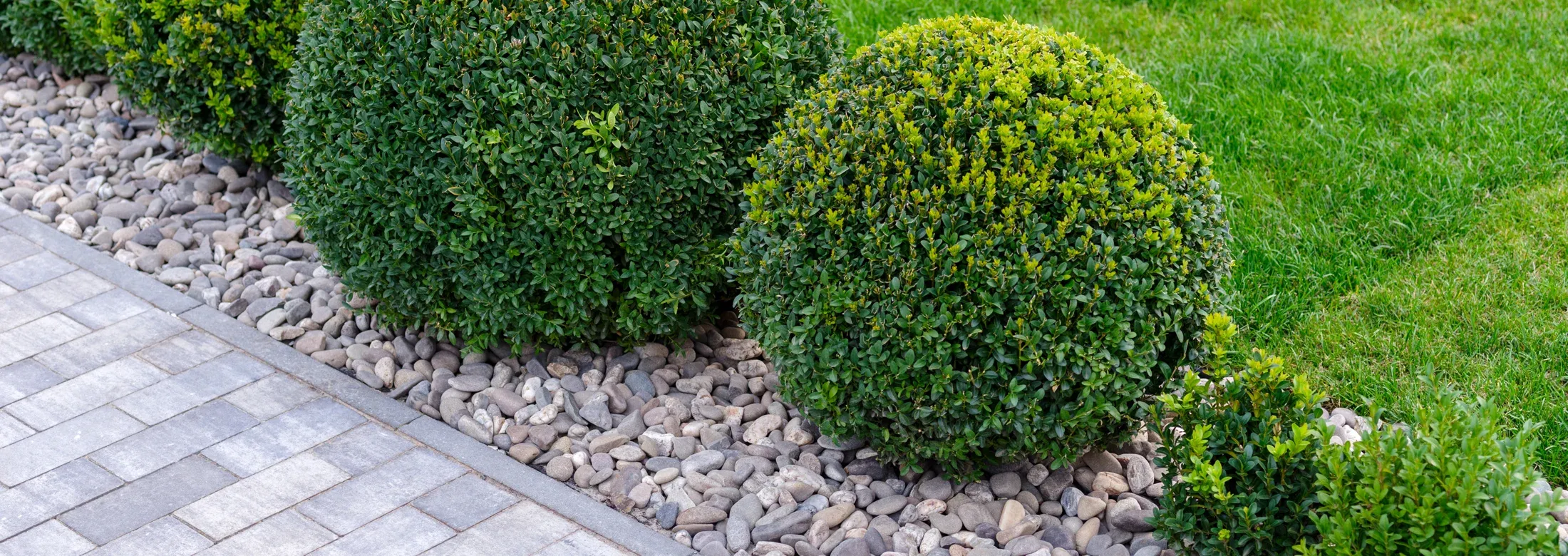
Tree & Shrub Care in Millard, NE
Your trees and shrubs do a lot for your property. They add structure, shade, and real curb appeal that grass alone just cannot deliver.
But keeping them healthy takes more than good looks and the right amount of rain. Pests, disease, and poor nutrition can quietly weaken ornamental plants long before you notice something is wrong. That kind of damage is costly to reverse, and in some cases, it cannot be undone. Protecting that investment early just makes sense.
That is where Heartland Lawns comes in. The team has certified arborists on staff who function as a tree doctor for your entire landscape, applying the right treatments at the right time to keep your trees and shrubs strong, green, and thriving. From tree fertilization that feeds roots at the source to targeted disease and pest control, the care is built around what your plants actually need, season by season. And with 36 years serving local homeowners, Heartland Lawns knows how to keep ornamental landscapes looking their best.
Here is a look at the tree and shrub care in Millard we provide:
- Tree Fertilization
- Tree Injections
- Disease Treatments
- Emerald Ash Borer Control
- Japanese Beetle and Bagworm Sprays
- Shrub Care
- And Winter Evergreen Protection
If your trees and shrubs deserve the same level of attention as your lawn, our tree services in Millard are ready to deliver. Reach out today to get started.

Additional Services in Millard
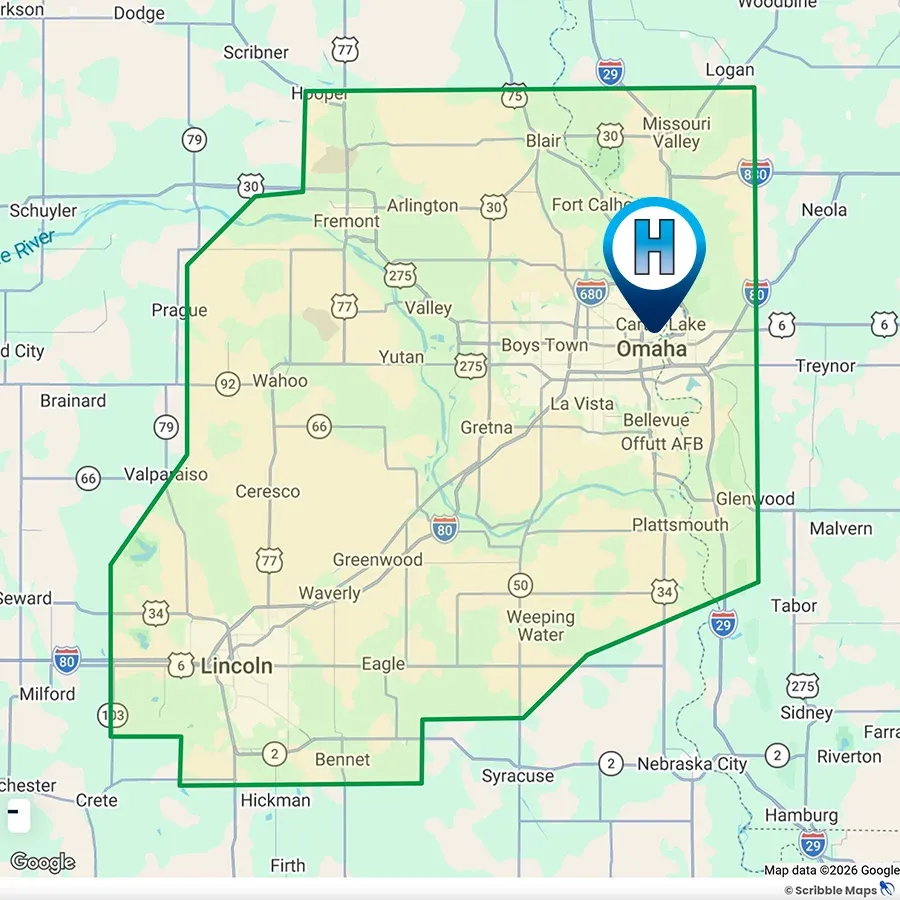
Your Trees and Shrubs Deserve More Than a Glance
Most plant damage starts well before you can see it. Tree & Shrub Care from Heartland Lawns addresses that reality head-on, targeting pests, disease, and nutrient deficiencies through a structured 6-step program timed to match seasonal growth cycles. Certified arborists handle everything from dormant oil applications to deep root fertilization, so your landscape stays healthy and visually strong year-round.
Here is how the 6-step program works:
- Early spring dormant oil application to eliminate overwintering pests before they cause damage
- Late spring deep root fertilization combined with early insect and disease control
- Early summer broad-spectrum insecticide and fungicide spray to protect against emerging threats
- Late summer targeted treatments for Japanese beetles, bagworms, and active fungal disease
- Early fall follow-up insect and disease spray to address lingering seasonal threats
- Late fall deep root fertilization to strengthen root systems and improve winter hardiness
Why Heartland Lawns Is the Right Choice for Your Trees and Shrubs
Licensed, certified arborists bring genuine expertise to every visit, diagnosing problems like iron chlorosis, emerald ash borer risk, and powdery mildew before they escalate. Applications dry quickly, and your yard is ready to enjoy within an hour. Heartland Lawns is locally owned, franchise-free, and backed by a commitment to honest service and visible results you can count on.
Treatments That Work With Your Family in Mind
Heartland Lawns uses a thoughtful application approach for every tree and shrub treatment, timing each spray to dry quickly so your family can get back outside within an hour. Products are applied using drift reduction practices and right-rate dosing, keeping treatments targeted to the plants that need them and away from areas where kids and pets spend time.

Warning Signs Your Trees and Shrubs Are in Trouble
Your yard says a lot about your home, and healthy trees and shrubs are a big part of that impression. When something goes wrong, it rarely announces itself right away.
Pests and disease often do significant damage well before you spot anything from the driveway. Knowing what to look for can make the difference between a simple fix and losing a mature tree that took decades to grow.
Common Threats Putting Nebraska Trees and Shrubs at Risk
The local climate creates conditions where certain insects and diseases come back year after year. Aphids feed on new growth and leave behind a sticky residue that coats leaves and attracts other problems. Bagworms spin tight, camouflaged cases on branches and strip foliage if populations go unchecked. Emerald ash borers tunnel beneath bark and cut off the water and nutrients a tree depends on, often killing it within a few seasons of infestation.
Fungal diseases like powdery mildew, leaf spot, rust, and scab are just as damaging. They spread quickly in warm, humid stretches of weather and weaken plants from the inside out. Iron chlorosis is another issue common in this region, causing leaves to yellow as trees struggle to absorb nutrients from the soil.
What to Look for on Your Property
Warning signs worth a closer look include:
- Yellow or discolored leaves that are not seasonal
- Small D-shaped holes in tree bark, a sign of emerald ash borer activity
- Sticky or shiny residue on leaves or surfaces below the tree
- Bagworm cases hanging from branches
- Brown or scorched edges along leaves
- White powdery coating or visible fungal growth on foliage
- Thinning canopy or branches that are dying back from the tips
- Leaves dropping earlier than expected in the season
If any of these sound familiar, your trees and shrubs are likely under stress. Heartland Lawns certified arborists understand exactly what these symptoms mean and how to stop the damage before it gets worse. The right care, timed right, is what keeps your landscape looking its best all year long.